BIS 90 years exhibition
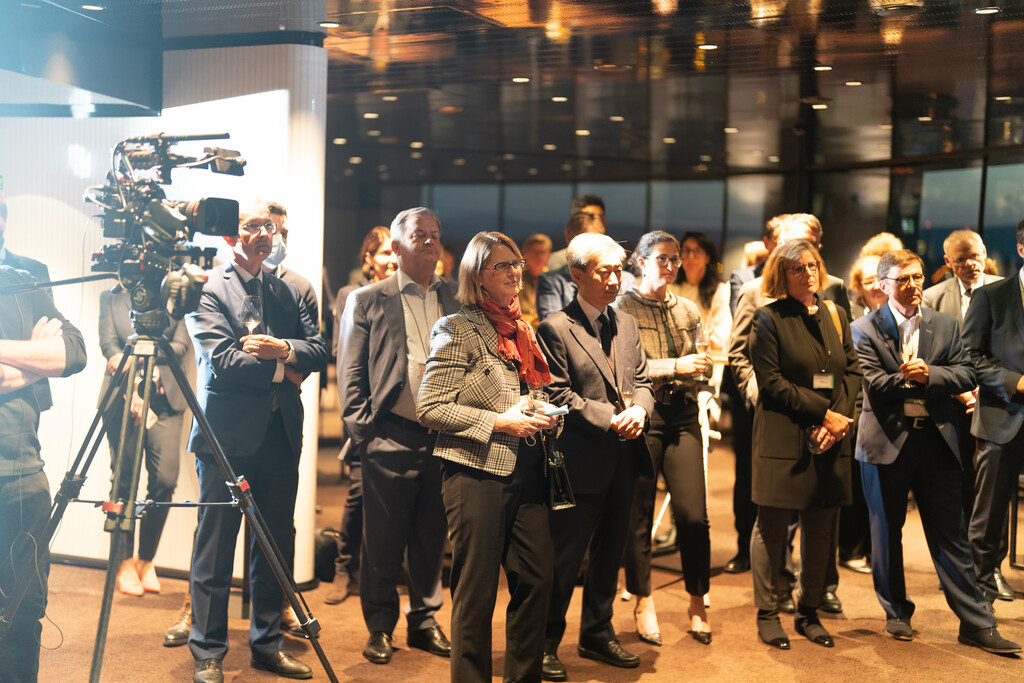
To mark its 90th anniversary, the BIS organised an exhibition and opened its doors to the public in 2021 to welcome the people of Basel and beyond. The exhibition ran from 26 October to 4 November 2021 and was visited by more than 8,000 people.
The main focus of the exhibition was on the BIS today and tomorrow. What is monetary and financial stability all about? Why do they matter and what does the BIS do to support them both in today's interconnected world?
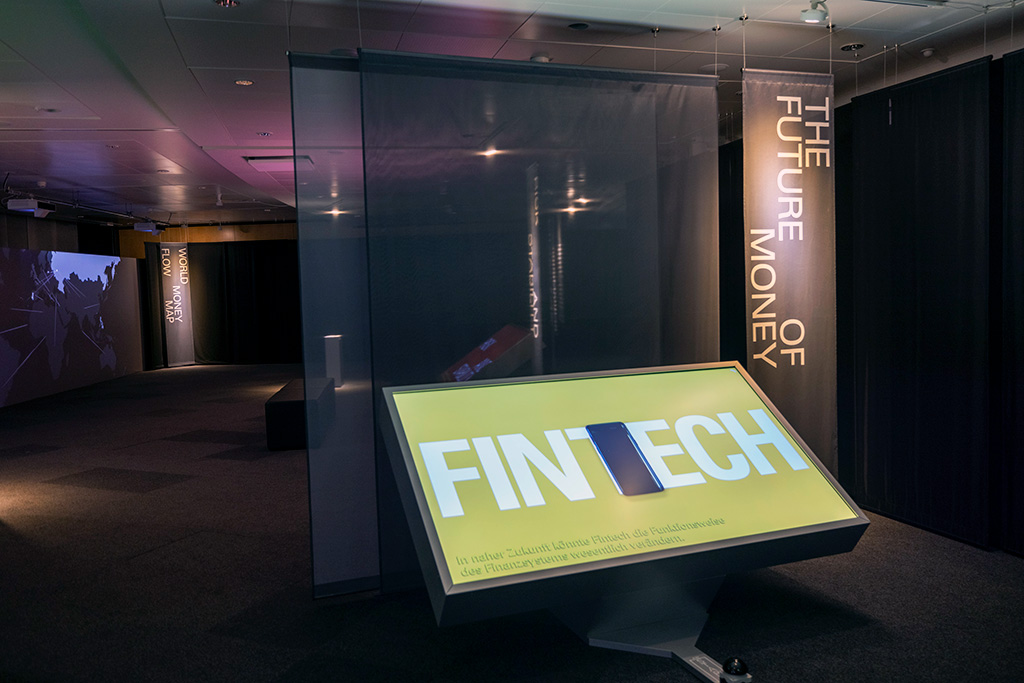
The exhibition also looked at what lies ahead. How is the digital revolution in finance (fintech) likely to affect the way in which payments, banks and the financial system as a whole operate? What are central banks and the BIS doing to prepare for these future challenges?
The exhibition was developed and designed in collaboration with Basel design agency berger + Co. You can listen to a podcast with the project manager Piet Clement and exhibition designer Pablo Berger here.
The BIS 90 Years exhibition
Founded in 1930, the Bank for International Settlements (BIS) is the world's oldest international financial organisation. Have a look at some highlights from the BIS 90 Years exhibition and Open Week in this short video.
Exhibit areas
The exhibition area was spread out over three floors of the BIS Tower in Basel and was structured across three areas: what we do, who we are, and where we are.
What we do
In this section, we focused on what the BIS does. Three themes are key to understanding the Bank's work: money, finance and innovation.
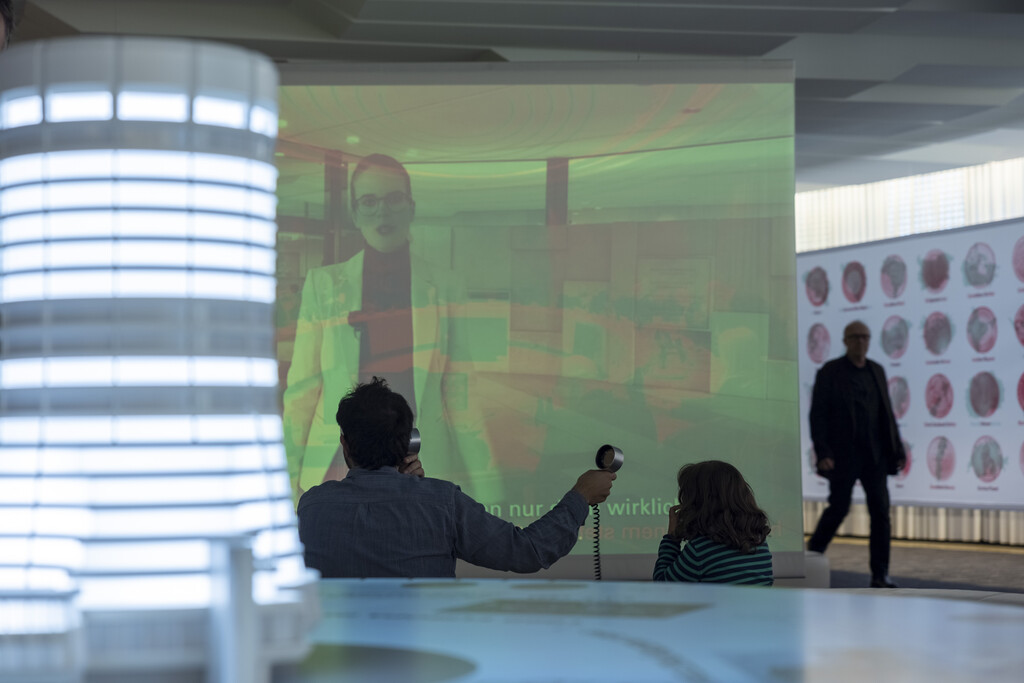
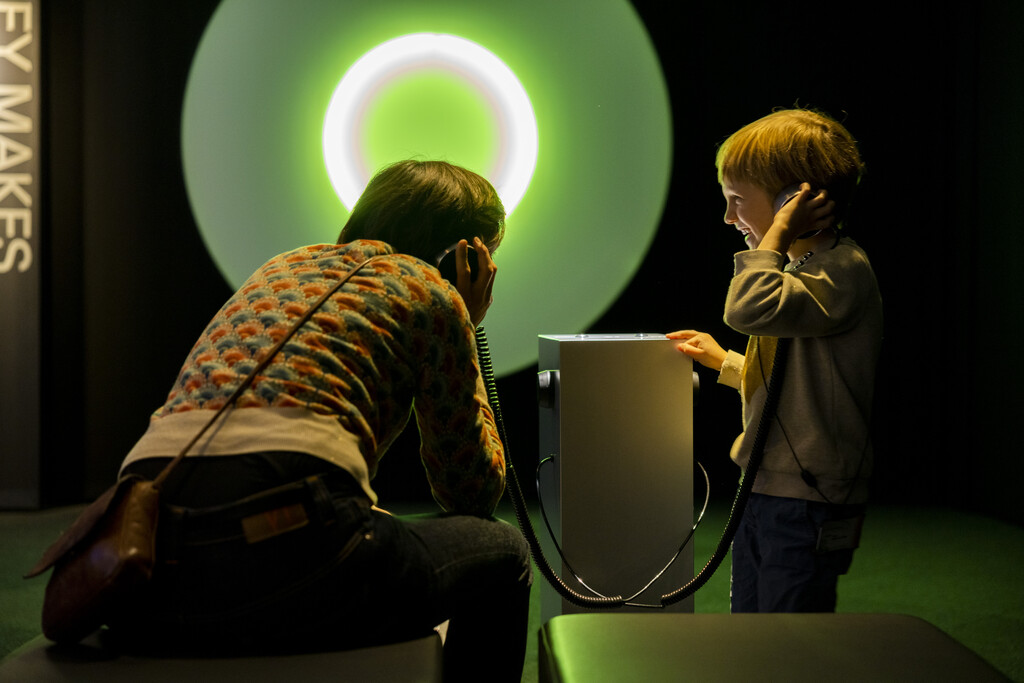
The BIS is owned by the world's main central banks, and actively promotes their cooperation in these areas. Through film as well as audio-visual and interactive installations, the multimedia space showed what this means in practice and why it matters to us all.
Money
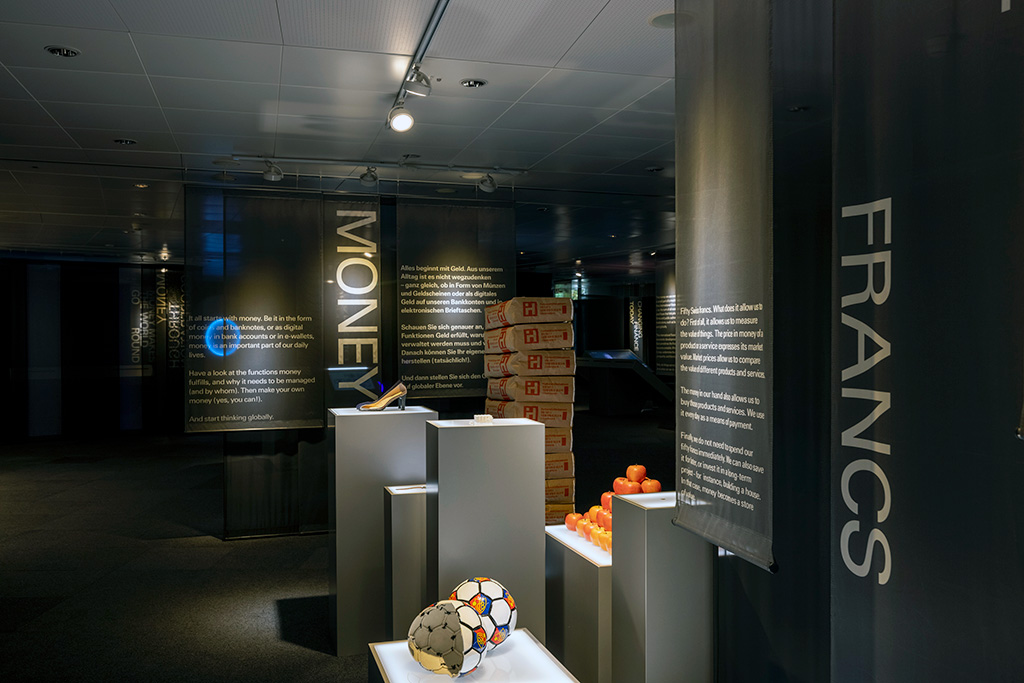
Be it in the form of coins and banknotes, or as digital money in bank accounts or in e-wallets, money is an important part of our daily lives. Money is the lifeblood of the economy.
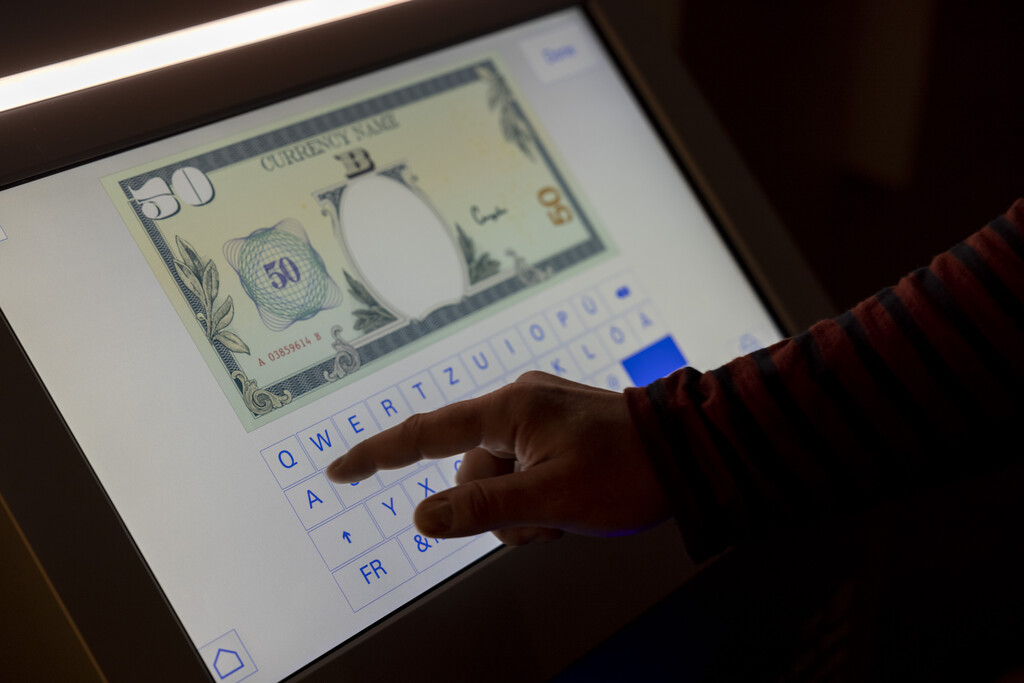
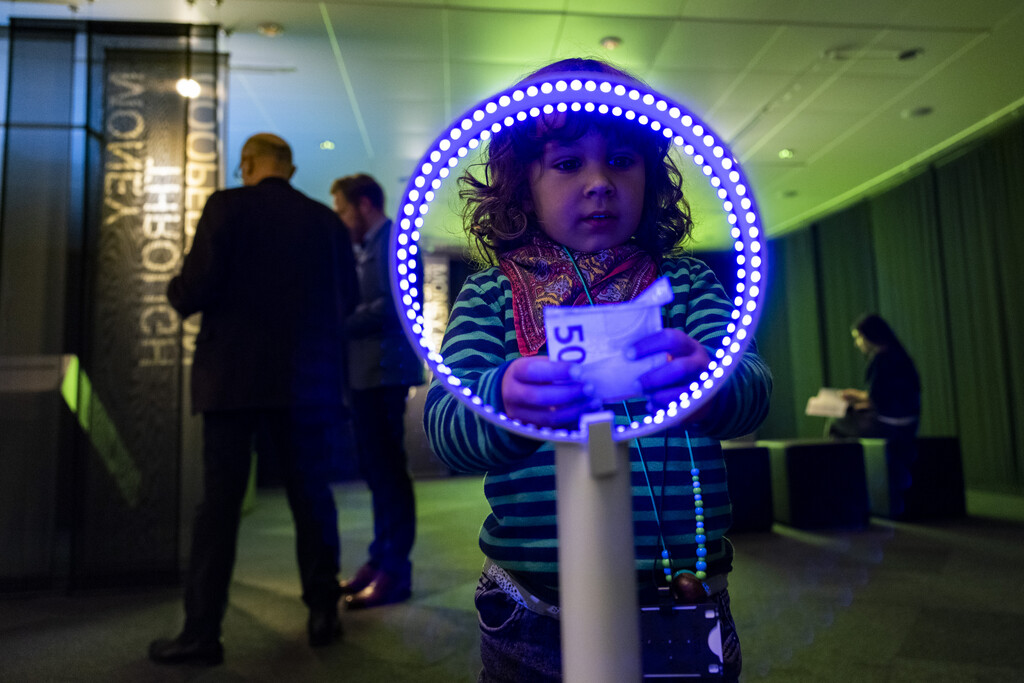
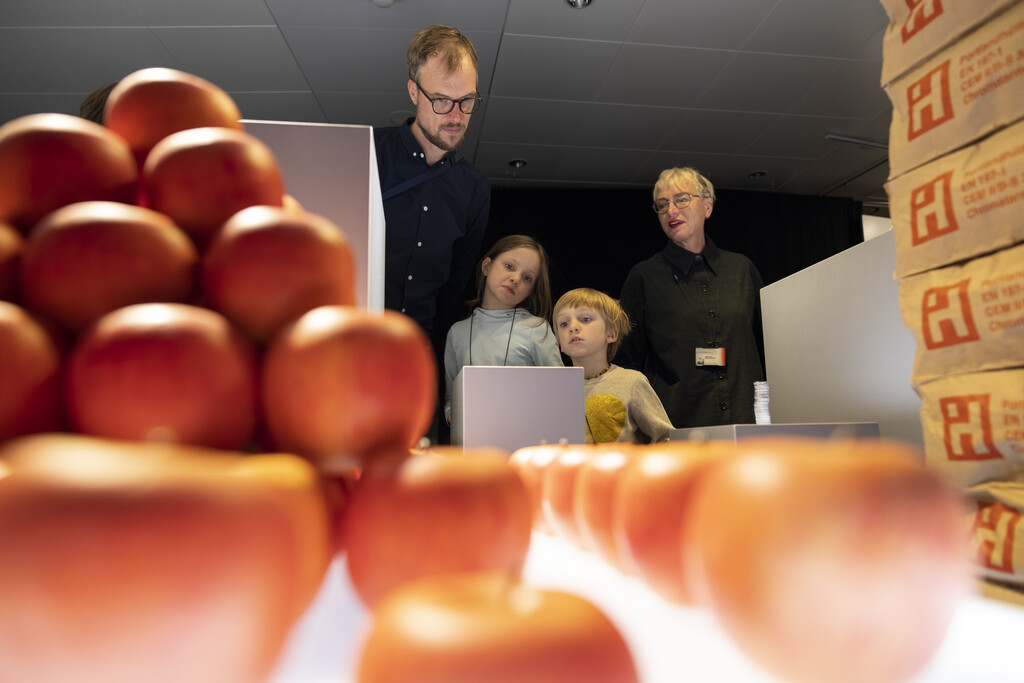
Fifty Swiss francs. What can we do with it? As everybody knows from experience, money allows us to do different things for different purposes. This was illustrated in this installation through different everyday objects. Money can act as a unit of account, a means of payment and a store of value.
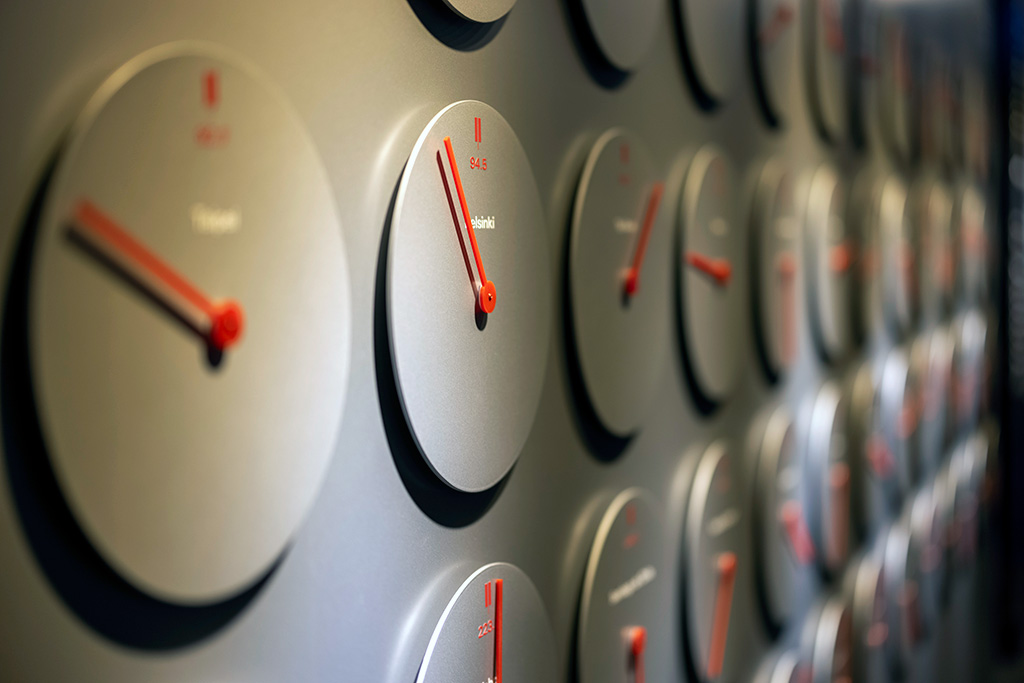
The amount of products and services we can buy is what we call the purchasing power of money. The purchasing power of money differs a lot around the world. The speed at which the clocks of this installation turned indicated how long one needs to work in a given country to afford a new smartphone.
Finance
Our money, which we use to pay for goods and services or to save and invest, is just a very small part of a much bigger whole: the international financial system. The international financial system is the sum of all money transactions and flows that link private citizens, firms and public authorities to financial institutions, such as stock exchanges, banks and other financial intermediaries – locally and globally.
When the international financial system runs smoothly, it fuels economic development and trade, which are the basis of our prosperity. But sometimes things go wrong. The financial system can become unstable. And when that happens, it can undermine the basis of our prosperity and affect us all.
Why do things sometimes go wrong? And what can be done about it?
Financial crises occur time and again, but are exceedingly hard to predict. What can be done once a crisis has broken out? The first thing that the authorities need to do in a crisis is to restore trust in the financial system. Once the crisis has been contained, government and central bank officials will start thinking about longer-term measures to fix the weaknesses that caused the crisis in the first place. International cooperation is critical. We live in a time where the global economy and the financial system are highly interconnected. To prevent or tackle financial crises, we need global solutions. The BIS provides a forum for cooperation that seeks to preserve global financial stability.

Risk and stability
To prevent or tackle financial crises, we need global solutions. The BIS provides a forum for cooperation that seeks to preserve global financial stability.
Wenn wir Finanzkrisen verhindern oder überwinden möchten, brauchen wir globale Lösungen. Die BIZ bietet ein Forum für eine solche Zusammenarbeit, deren Ziel die Aufrechterhaltung der globalen Finanzstabilität ist.
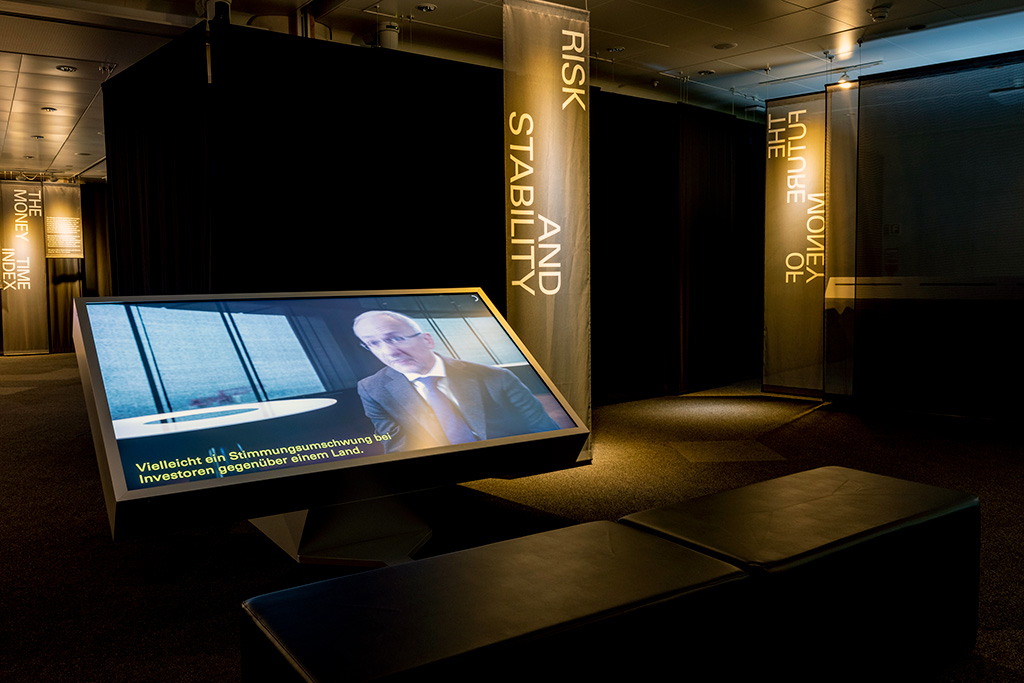
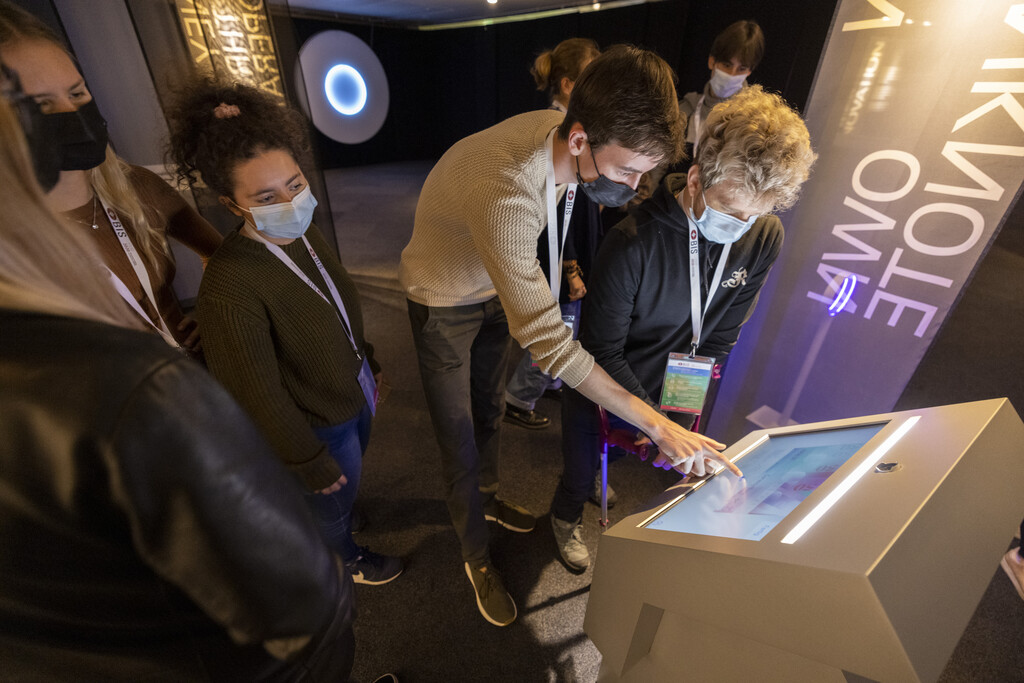
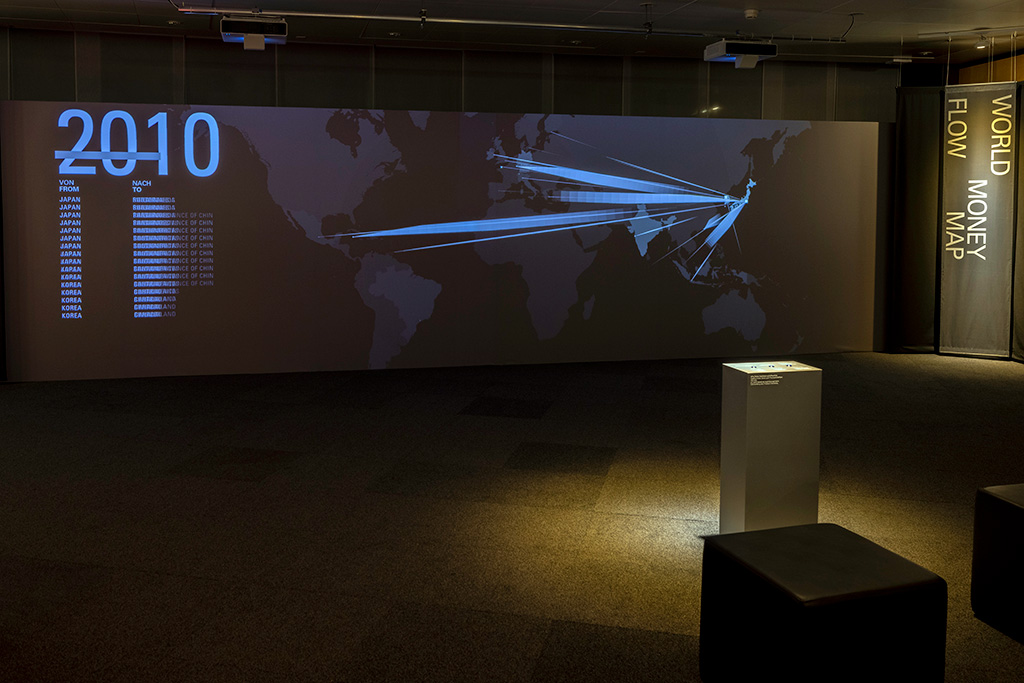
The world money flow map used publicly available BIS banking and financial statistics to show what happens to the international financial system when a major financial crisis occurs. The map first showed credit flows between countries during a normal period. It then went on to show how these money flows were disturbed during three major crisis periods: the Asian financial crisis of 1997– 98, the Great Financial Crisis of 2007–09, and the euro zone sovereign debt crisis of 2010–12.
Innovation
The pace of technological innovation is increasing exponentially. It affects almost every aspect of our lives. This is no less true in the world of money and finance. There is a lot of talk about "fintech" or financial technology – the digitalisation of money and financial services. What is the role of central banks and the BIS in this?
When our financial system is working properly, it supports and sustains development. Economic development is an important factor to help reduce poverty. Financial innovation is an important part of this story. A big challenge now and for the future is to apply digital technology and financial innovations in such a way that they support human development goals and contribute to the public good. Underdevelopment and climate change are among the biggest issues confronting our modern world. Can financial innovation help us overcome those problems? And what role do central banks and the BIS play in this?
Changing finance today
Underdevelopment and climate change are among the biggest issues confronting our modern world. Can financial innovation help us overcome those problems? And what role do central banks and the BIS play in this?
Unterentwicklung und Klimawandel gehören zweifellos zu den grössten Problemen unserer Zeit. Können innovative Finanztechnologien uns dabei helfen, diese Probleme zu bewältigen? Und welche Rolle spielen Zentralbanken und die BIZ in diesem Zusammenhang?
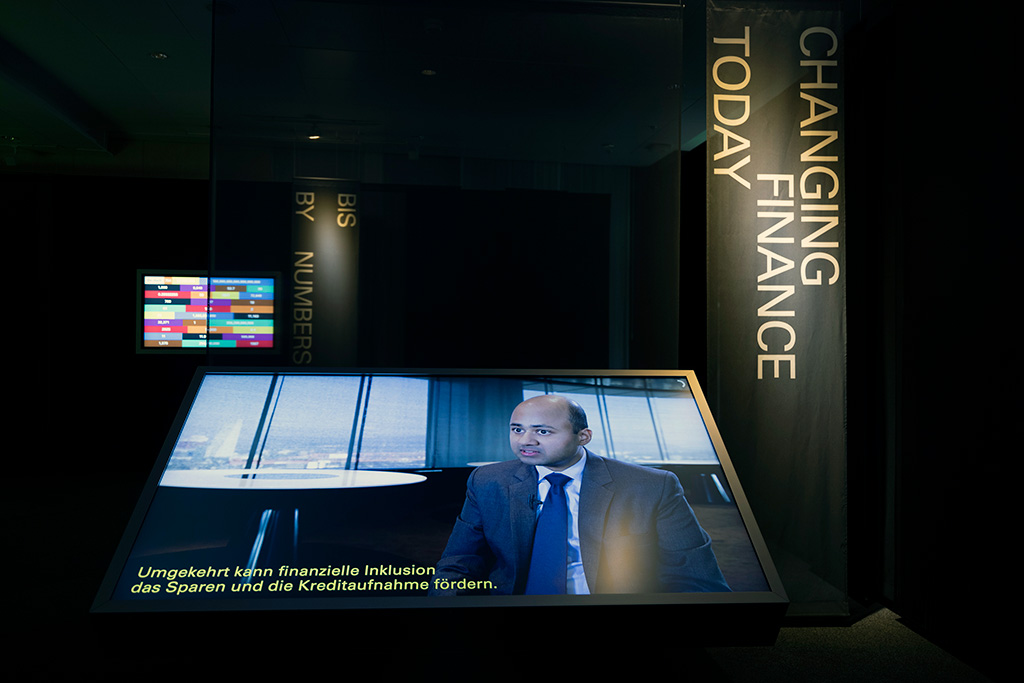
The world we live in is evolving rapidly. Financial technology – or fintech – is changing the way we carry out financial transactions or interact with banks and other financial intermediaries. New technologies may radically change how our banking and payment systems work. Central banks and the BIS have an important role to play in making sure that society as a whole can reap the benefits of financial innovations while limiting the financial stability risks associated with their use.
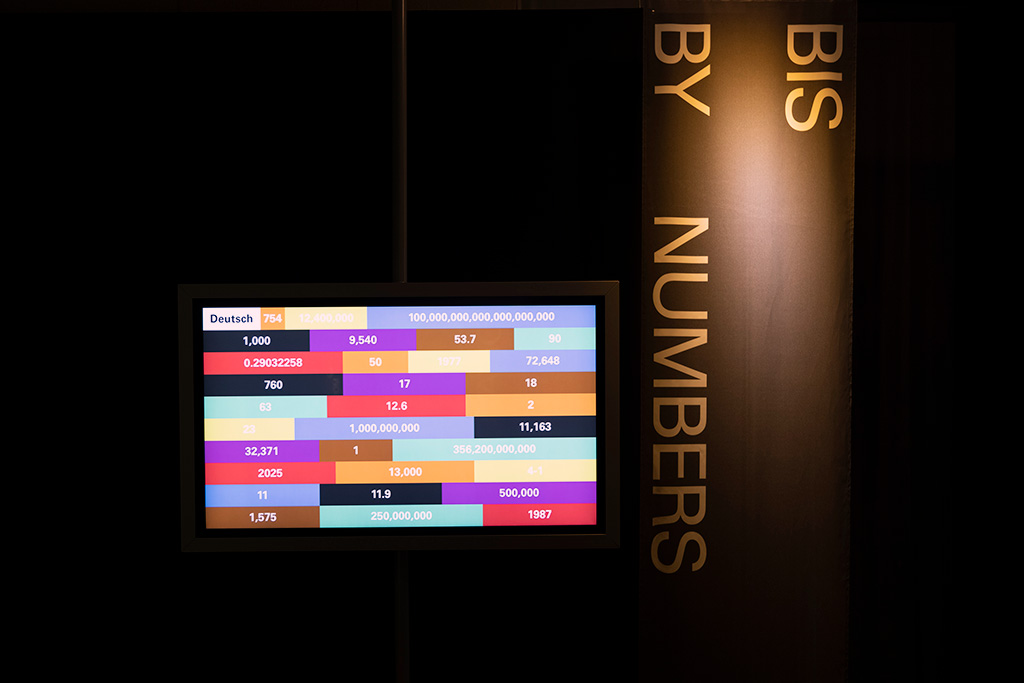
This interactive installation tried to capture the essence of the BIS in 32 numbers.
Who we are
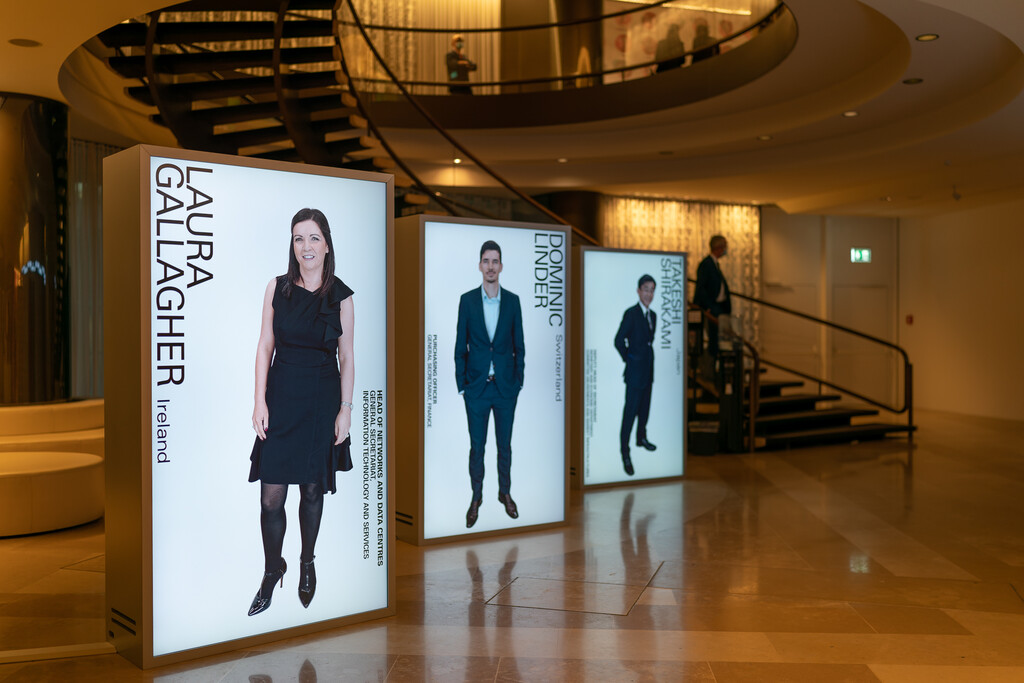
The BIS is its member central banks. We were proud to present all 63 of them in this space. The BIS is also its diverse staff, who make the organisation tick. Finally, the BIS is a local presence on a global scale.
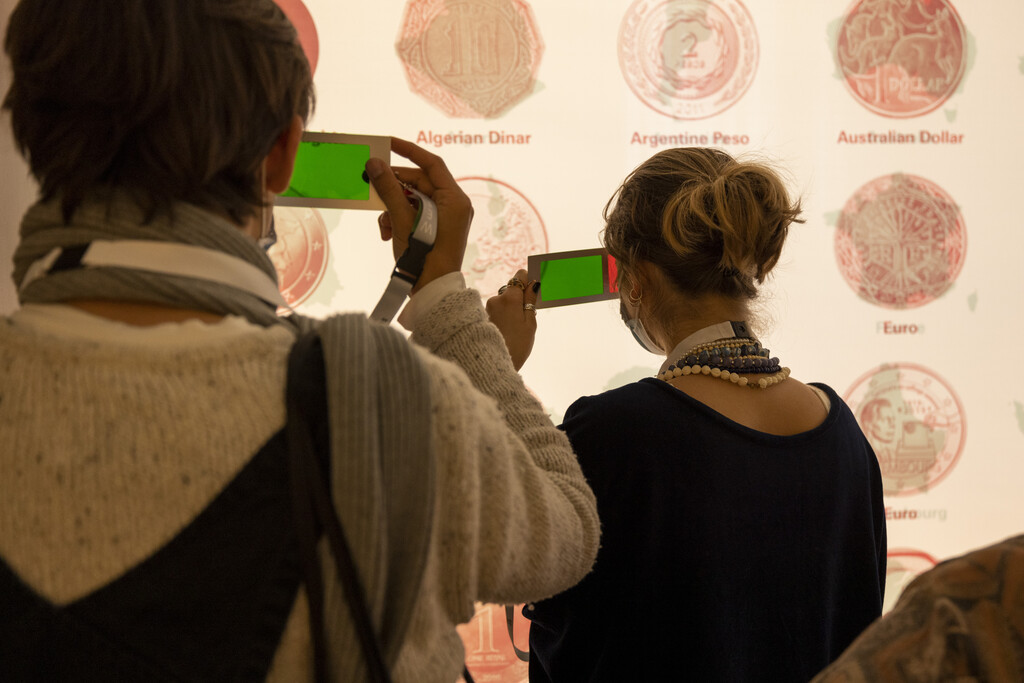
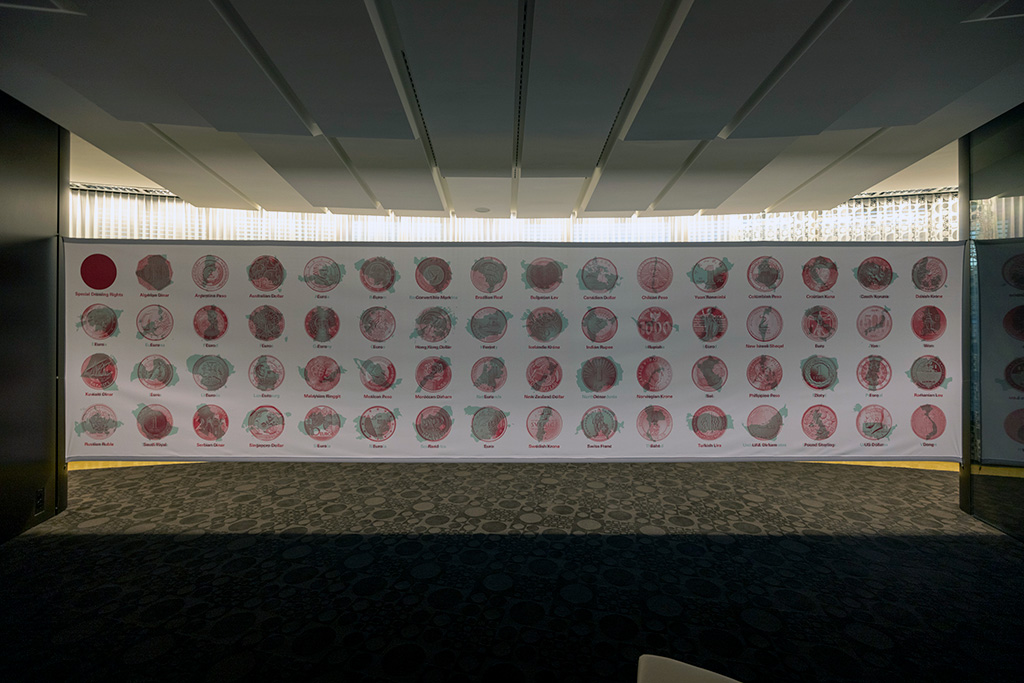
The BIS is owned by 63 (in 2021) central banks from across the globe – from the Bank of Algeria to the State Bank of Vietnam. Our 63 member central banks represent countries that together make up close to 95% of global GDP. In this area, visitors took a close look at the Governors and Presidents of our member central banks, and at the countries and currencies they represent.
The BIS's global presence is growing at a steady pace: in 2019–21 the Bank, together with local central banks, opened five BIS Innovation Hub Centres in Switzerland (Zurich), Hong Kong, Singapore, London and Stockholm. More hub centres will be created soon. The BIS acts truly local and global.
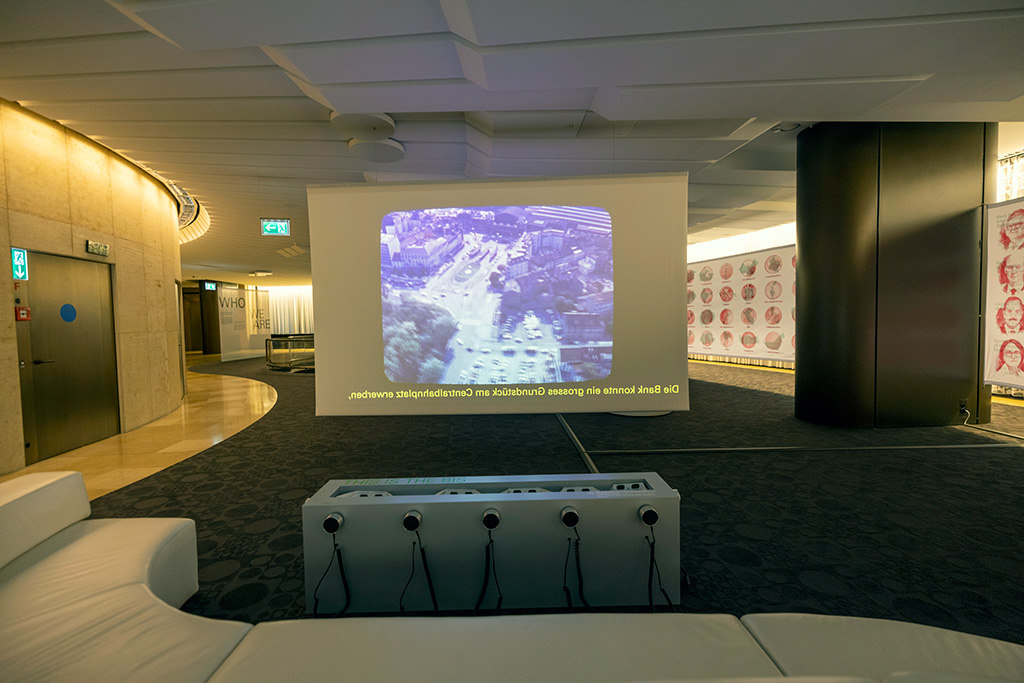
"This is the BIS" told the story of a typical meeting day of central bank Governors in Basel. During the Covid-19 pandemic, most meetings took place virtually via digital platforms. However, in-person meetings remain important, as they are key to fostering free and open discussions and building trust among central bankers.
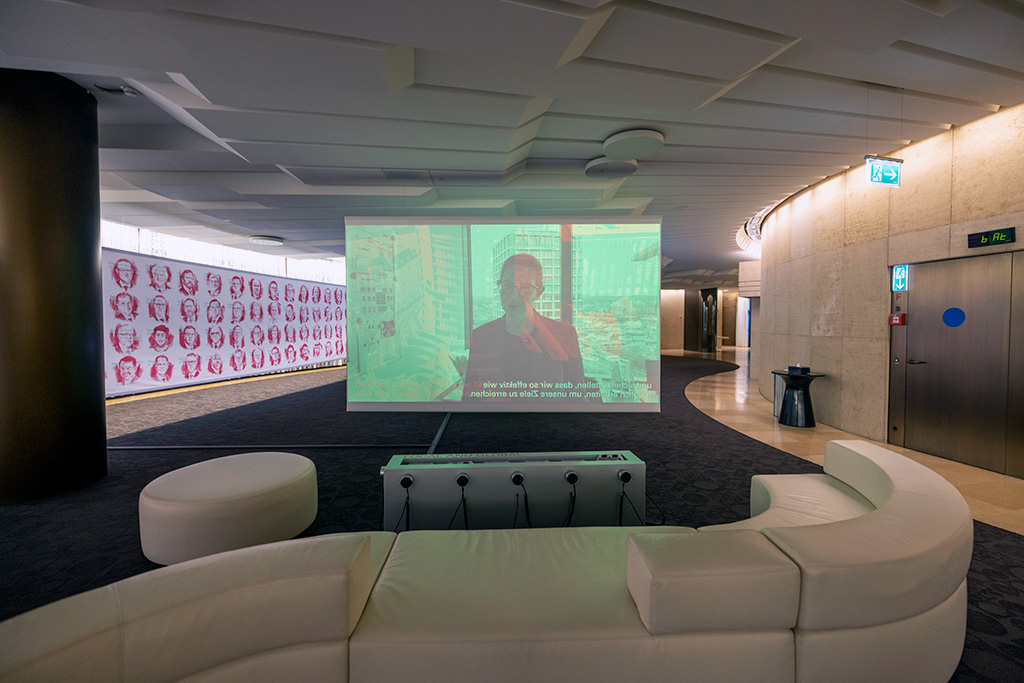
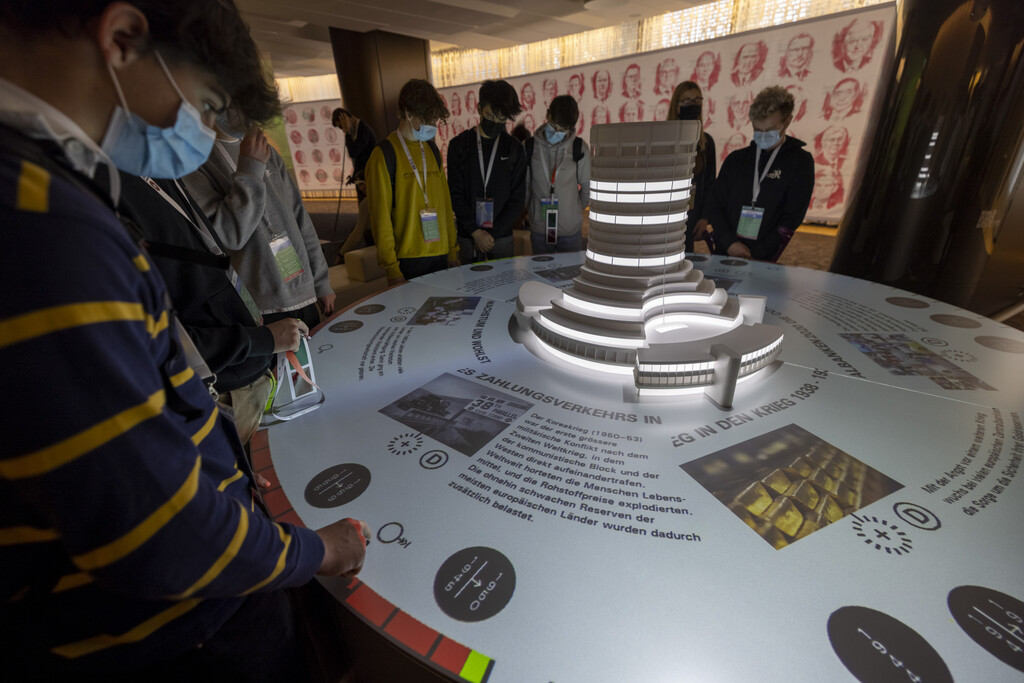
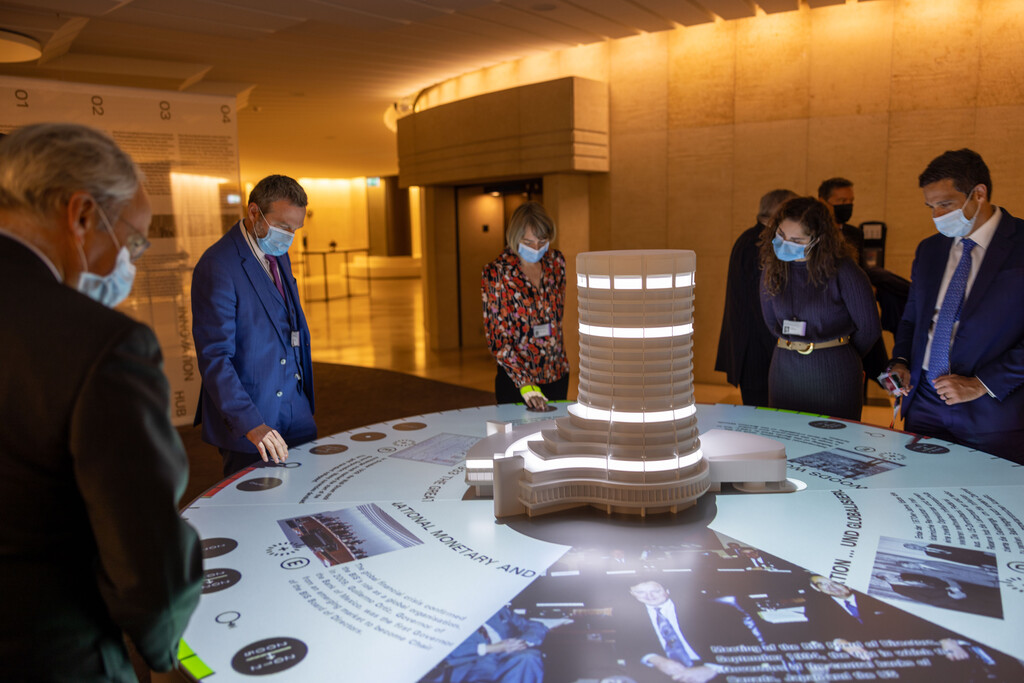
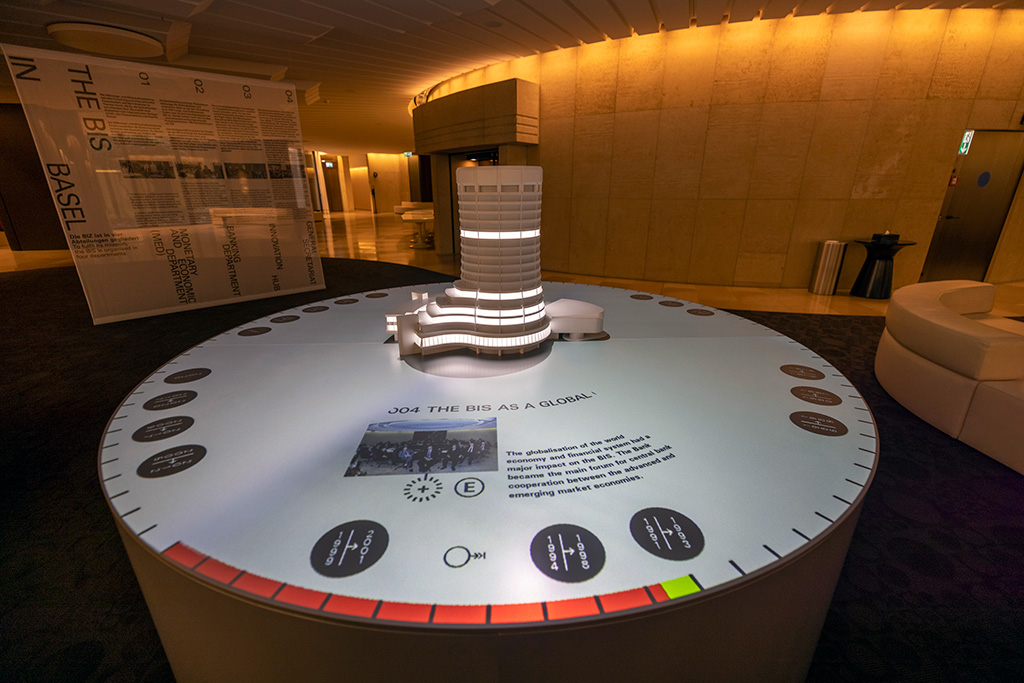
The BIS was set up in 1930. This means the BIS has been present in Basel for more than 90 years – nine decades that have been marked by profound changes in the world economy and in the global monetary and financial system. The BIS timeline allowed visitors to explore its role in some of the most important events and trends in this long history.
Where we are
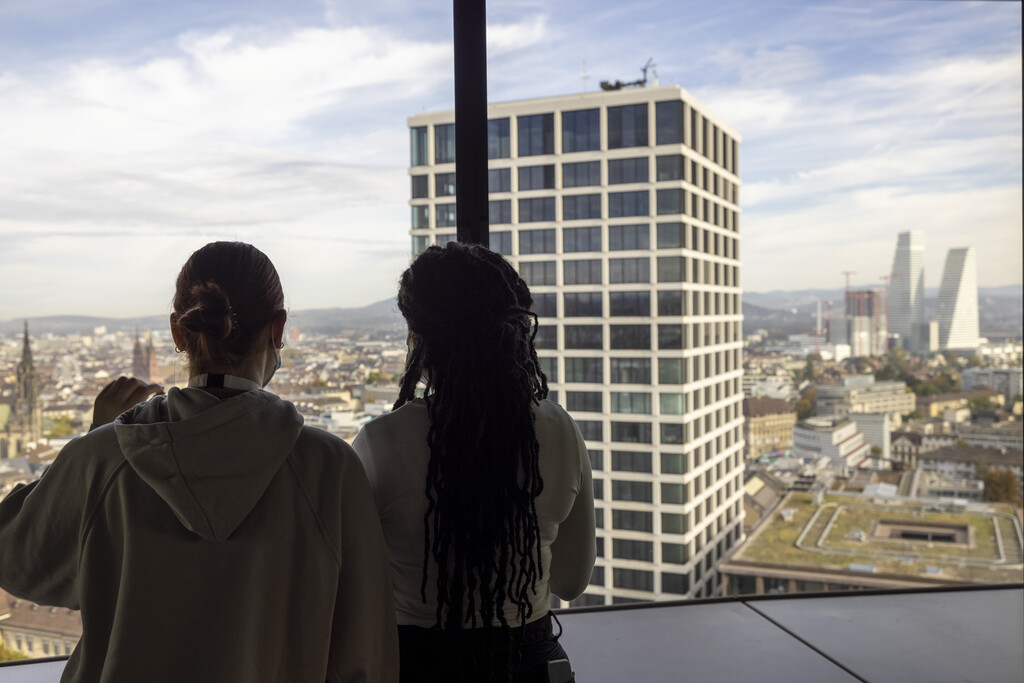
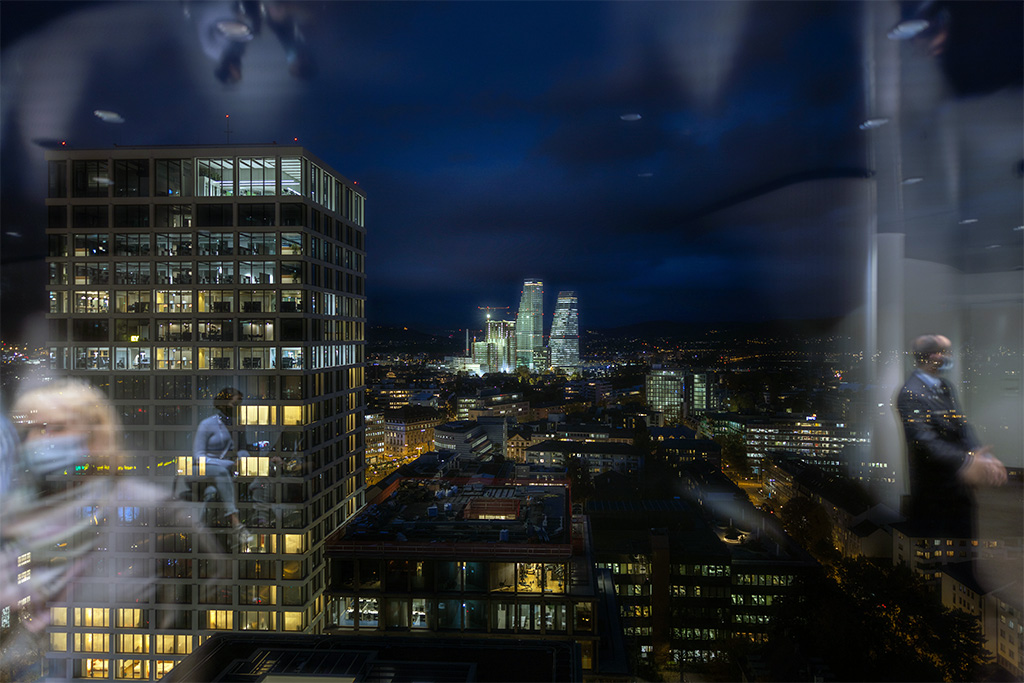
For the first time, visitors had the opportunity to make their way up to and around the 18th floor, to enjoy the spectacular views across Basel from a height of nearly 70 metres, and in all directions.
From the vantage point of the BIS Tower 18th floor, visitors could look out over Basel and the surrounding regions of Switzerland, Germany and France. It could also be explored in what direction and how far away our 63 member central banks are located.
Videos
This is the BIS
Local and global
Money through cooperation
Risk and stability
Changing finance today
The future of finance
Photos