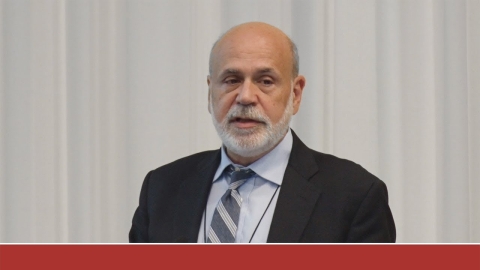
Lecture on the real effects of disrupted credit: evidence from the global financial crisis
Per Jacobsson Foundation Lecture at the 2018 BIS Annual General Meeting.
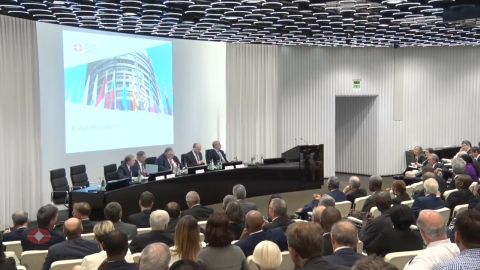
Panel discussion on "The real effects of disrupted credit: evidence from the global financial crisis"
Panel discussion at the 2018 BIS Annual General Meeting.
How do financial crises affect credit flows and, more importantly, real economic activity? The lecture reviews recent research and presents new evidence on the macroeconomic impact of the Global Financial Crisis in the United States.
Economists both failed to predict the global financial crisis and underestimated its consequences for the broader economy. Focusing on the second of these failures, this paper makes two contributions. First, I review research since the crisis on the role of credit factors in the decisions of households, firms, and financial intermediaries and in macroeconomic modeling. This research provides broad support for the view that credit market developments deserve greater attention from macroeconomists, not only for analyzing the economic effects of financial crises but in the study of ordinary business cycles as well. Second, I provide new evidence on the channels by which the recent financial crisis depressed economic activity in the United States. Although the deterioration of household balance sheets and the associated deleveraging likely exacerbated the initial economic downturn and the slowness of the recovery, I find that the unusual severity of the Great Recession was due primarily to the panic in funding and securitization markets, which disrupted the supply of credit. This finding helps to justify the government’s extraordinary efforts to stem the panic in order to avoid greater damage to the real economy.