
History - foundation and crisis (1930-39)
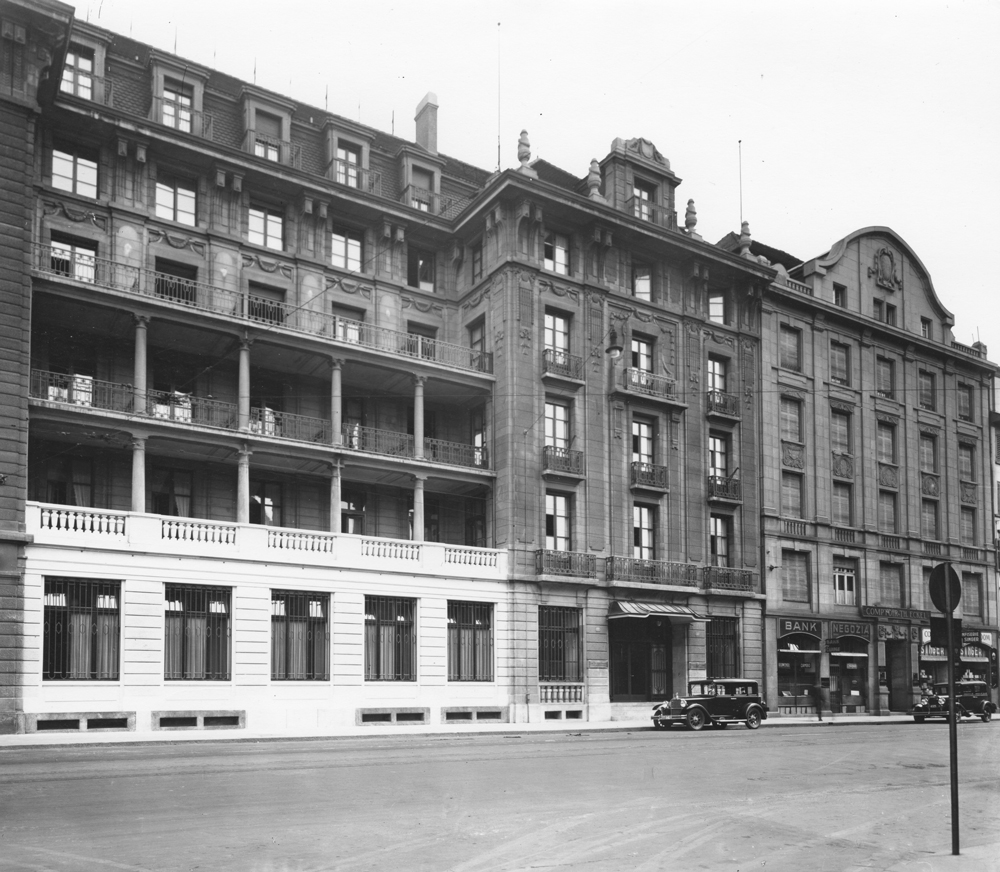
Foundation of the BIS
The BIS was created in the context of the Young Plan, adopted on 20 January 1930 at the Hague Conference. A convention respecting the establishment of the BIS in Switzerland was signed on the same date between the governments of Belgium, France, Germany, Italy, Japan and the United Kingdom on the one hand and Switzerland on the other.
The Young Plan was intended to settle once and for all the question of reparation payments imposed on Germany (and to a lesser extent on other central European countries) by the Treaty of Versailles following the First World War. The BIS was set up to take over the functions previously performed by the Agent General for Reparations: managing the collection, administration and distribution of the annuities payable as reparations. The Bank's name is derived from this original role.
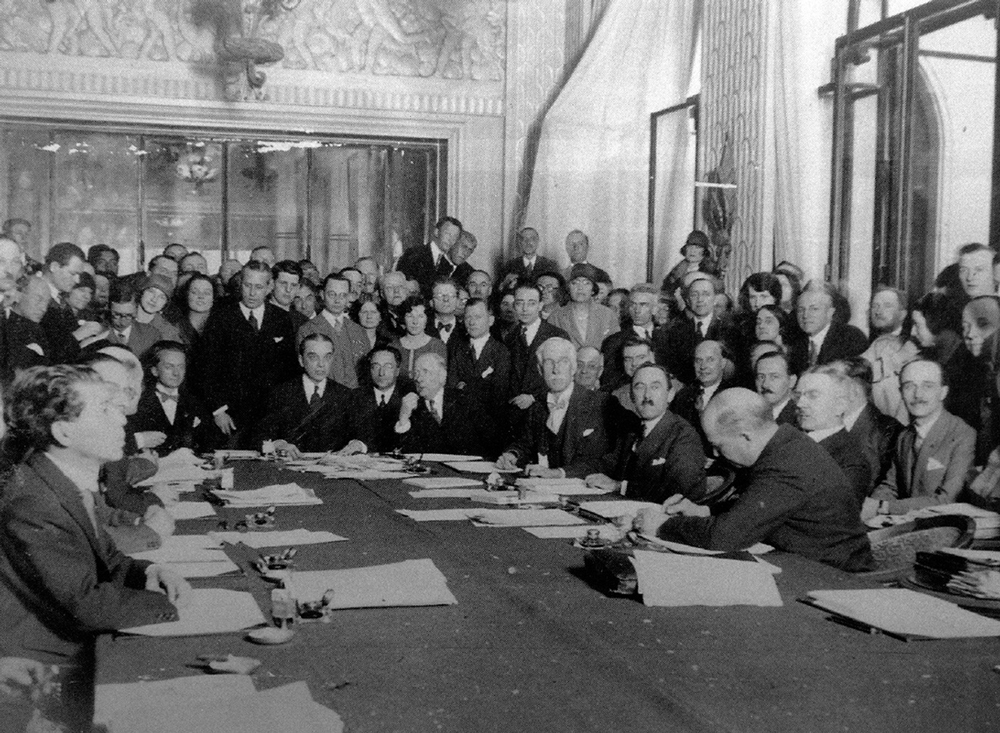
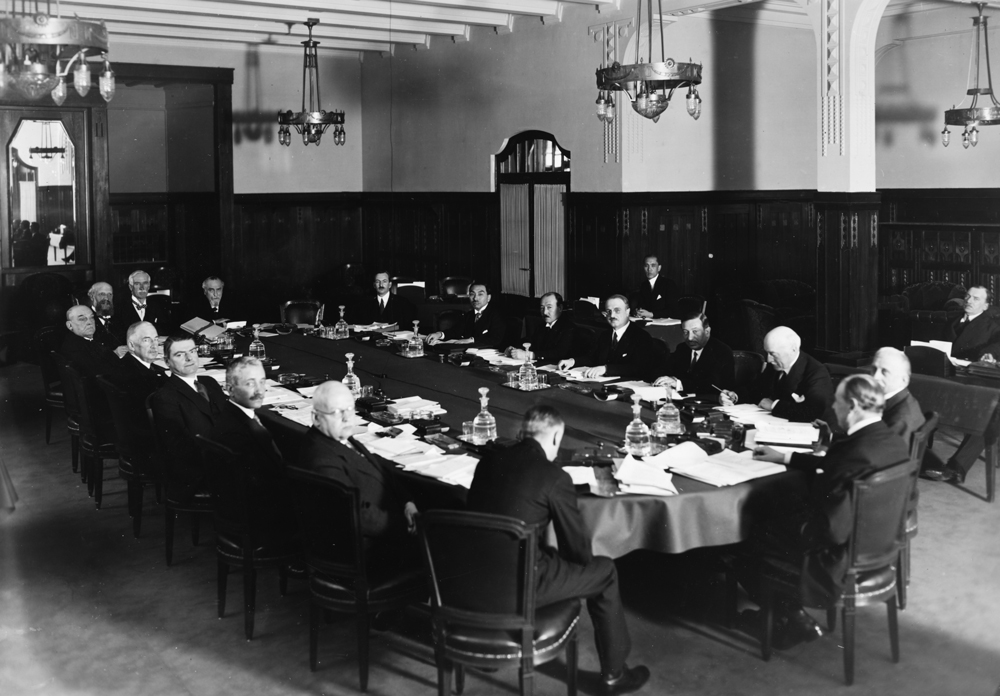
In addition, the BIS was appointed agent to the trustees and trustee, respectively, for the German government international loans of 1924 and 1930 (the so-called Dawes and Young Loans issued to help finance reparations). In execution of the Young Plan, the BIS reinvested part of the Young Loan proceeds in German bonds.
Finally, the BIS was tasked to promote central bank cooperation more generally.
The Great Depression
As a consequence of the Great Depression of the 1930s, the reparations issue quickly faded. The German financial and banking crisis of the summer of 1931 led first to a one-year moratorium on reparation payments (Hoover Moratorium of July 1931) and subsequently to their complete cancellation (Lausanne Agreement of July 1932).
With the reparations issue out of the way, the BIS focused its activities on the technical cooperation between central banks (including reserve management, foreign exchange transactions, international postal payments, gold deposit and swap facilities) and on providing a forum for regular meetings of central bank Governors and officials.
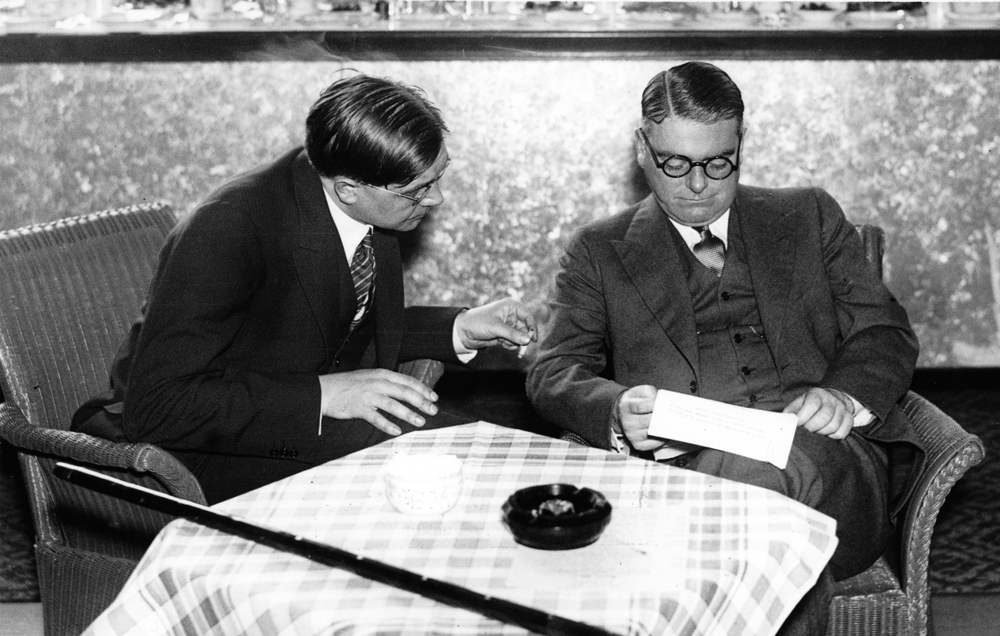
Of these meetings, the regular Board meeting weekends, which brought together the Governors of the main member central banks, were the most important (in the 1930s, the BIS Board consisted of the Governors and their alternates of the National Bank of Belgium, the Bank of France, the German Reichsbank, the Bank of Italy, the Netherlands Bank, the Swedish Riksbank, the Swiss National Bank and the Bank of England, as well as representatives for the Bank of Japan).
From early on, the BIS developed its own research in central banking and finance under the dynamic guidance of its first Economic Adviser, the Swede Per Jacobsson (1894-1963), and started collecting financial and banking statistics. The BIS research found its way into the Bank's Annual Report, which soon established itself as a leading publication in its field.